Inquiry isn’t just about asking questions, but having evidence to back up those questions and having a deeper understanding of the subject. Also, the benefits of using inquiry in the classroom. Students use text-based evidence from primary, secondary, and articles this also helps with their reading skills. Most reading tests have students answer essay questions using evidence from the text this helps them get practice with that format. Students get exposure to primary and secondary sources at a young age. Personally, I didn’t know the difference or use them until I was Junior High. By using inquiry student’s knowledge of different sources develops, they are able to understand it, use it to help them answer questions, and to help them create a timeline or chart. Inquiry teaching is a great way to have students not just read from the textbook or listening to lectures, but gives them the opportunity to do the digging and put the pieces together. Instead of the teacher just telling them the information the students get to do some of explaining to the teacher. As the teacher it is important to keep the sources concise and make sure they prove a clear point from the supporting question. Sometimes the teacher might have to combine articles to make it short and provide only the information the students need.

The importance of the supporting questions is that it provides an outline and ideas for your compelling questions. For each supporting question it can take a day or longer to do a lesson on. Each supporting question provides evidence for the compelling question. An example of a compelling question might be How does production, distribution, and consumption of goods impact our Earth’s environment? On each day we would cover one topic and their impact on the Earth’s environment. By the end of the week a student would be able to say how production, distribution, and consumption of goods impacts the Earth with strong evidence.
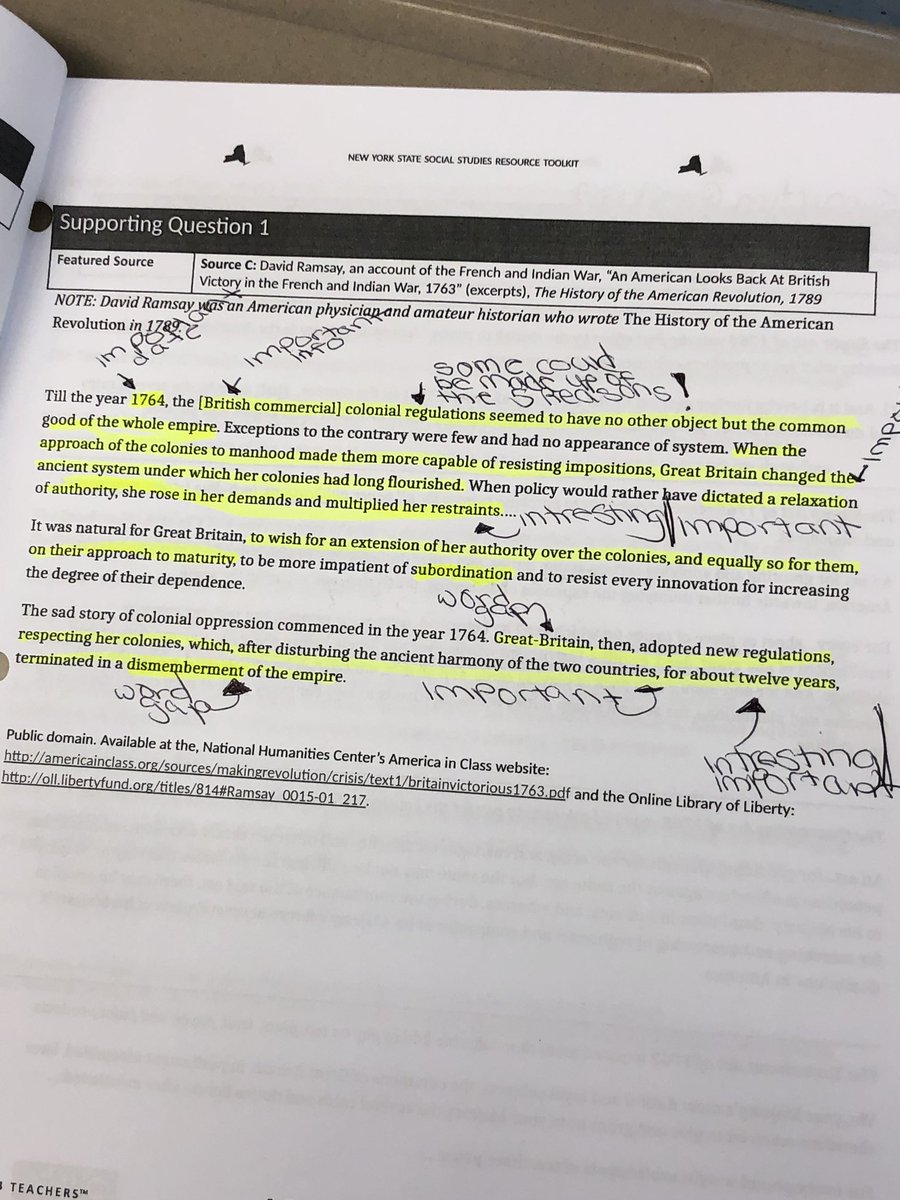
What are the best ways to find primary sources?
I would see what kind of services my district has resources. See if any online archive centers have any sources or if Google potentially has any.




I like your statement "Inquiry teaching is a great way to have students not just read from the textbook or listening to lectures, but gives them the opportunity to do the digging and put the pieces together. Instead of the teacher just telling them the information the students get to do some of explaining to the teacher." Personally for me, reading out of a textbook and attempting to answer questions is the absolute worst way for me to learn. I do not find it beneficial and I do not remember a lot. Great blog!
ReplyDeleteThanks Ashley for reading and commenting. I have the same feelings about learning from a text book, yet so many teachers default to teaching this way.
ReplyDeleteMary, I really liked what you mentioned about social studies inquiry being an opportunity for students to put the pieces of information together themselves using different resources to find the answer to the question. This is a great way to explain social studies inquiry. Great blog post!
ReplyDeleteThanks Celynne for reading, glad you found my explanation of social studies inquiry helpful.
ReplyDelete